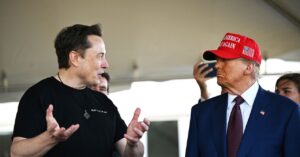

In just a few hours, Tesla lost $152 billion from its market cap, while Trump’s little crypto adventure, TrumpCoin, took a $100 million hit. The headlines make it sound dramatic, but here’s what it really means: market enthusiasm for attention-grabbing antics doesn’t always translate to solid investment.
The overhyped friendship between Musk and Trump finally imploded. Musk took to his social platform, X, to criticize Trump’s “One Big Beautiful Bill,” which is set to balloon the US deficit by $2.4 trillion. Trump clapped back on Truth Social, claiming Musk’s opposing the bill because it would end Tesla’s EV tax credits. Things spiraled into a social media slugfest with Musk making claims about Trump and Epstein—grist for the rumor mill that wealthy men seem to spin.
Tesla’s battered stock, down 14%, signals investor uncertainty. It’s the biggest tumble for Tesla in years. Meanwhile, TrumpCoin dropped nearly 10%. It’s a cycle we’ve seen too many times: political intrigue shakes up the market, but the fundamentals tend to prevail over soap opera theatrics.
Threats followed. Trump says he’ll cut off Musk’s federal contracts. Musk retaliated online, threatening to shut down SpaceX’s Dragon spacecraft. Steve Bannon chimed in, proposing Trump cancel Musk’s contracts and launch investigations—a move that sounds more like saber-rattling than thoughtful governance. If you’ve got a few gray hairs, you’ve seen similar pettiness before.
Rumors swirl about Musk lying on visa forms back in the ’90s, with Bannon suspecting he’s not even legally in the U.S. It’s an easy accusation to throw around, but unless there’s more than hearsay, it’s just political theater.
This spat comes at a rocky time for Tesla. They’re about to launch a long-overdue robotaxi service in Austin, which Musk insists marks Tesla as a tech company, not just a carmaker. The man knows how to pitch the story, but let’s remember: it’s still about selling cars—or a vision that may or may not materialize into reality.
Tesla’s latest quarterly results were disappointing: production, deliveries, and sales dropped. The ambition to create a more affordable EV is on hold. Musk’s attempt to placate stockholders by claiming he’ll return full-time feels like déjà vu. We’ve seen big promises before; some delivered, others fizzled.
Musk claims his break with Trump isn’t about subsidies. He’s dismissed federal tax credits as unnecessary, but criticized the bill’s handling of energy incentives. The comments mix strategic marketing with a touch of socio-political commentary—classic Musk.
Protests against both Musk and Trump gather momentum as the “Tesla Takedown” calls for selling off the stock. A catchy slogan, but remember: real markets aren’t driven by catchy phrases.
If you’re nearing a panic sell, take a breath. Those headlines are designed to shake your confidence. Look at the long-term fundamentals, not just this week’s drama. We’ve seen blow-ups before; we’ll see them again. Stick with the basics: be skeptical of hype, mind the macro trends, and remember that noise is often just that—noise.